Training and Scholarships to Strengthen the Understanding of Young Journalists Covering Human Rights and Palm Oil Issues
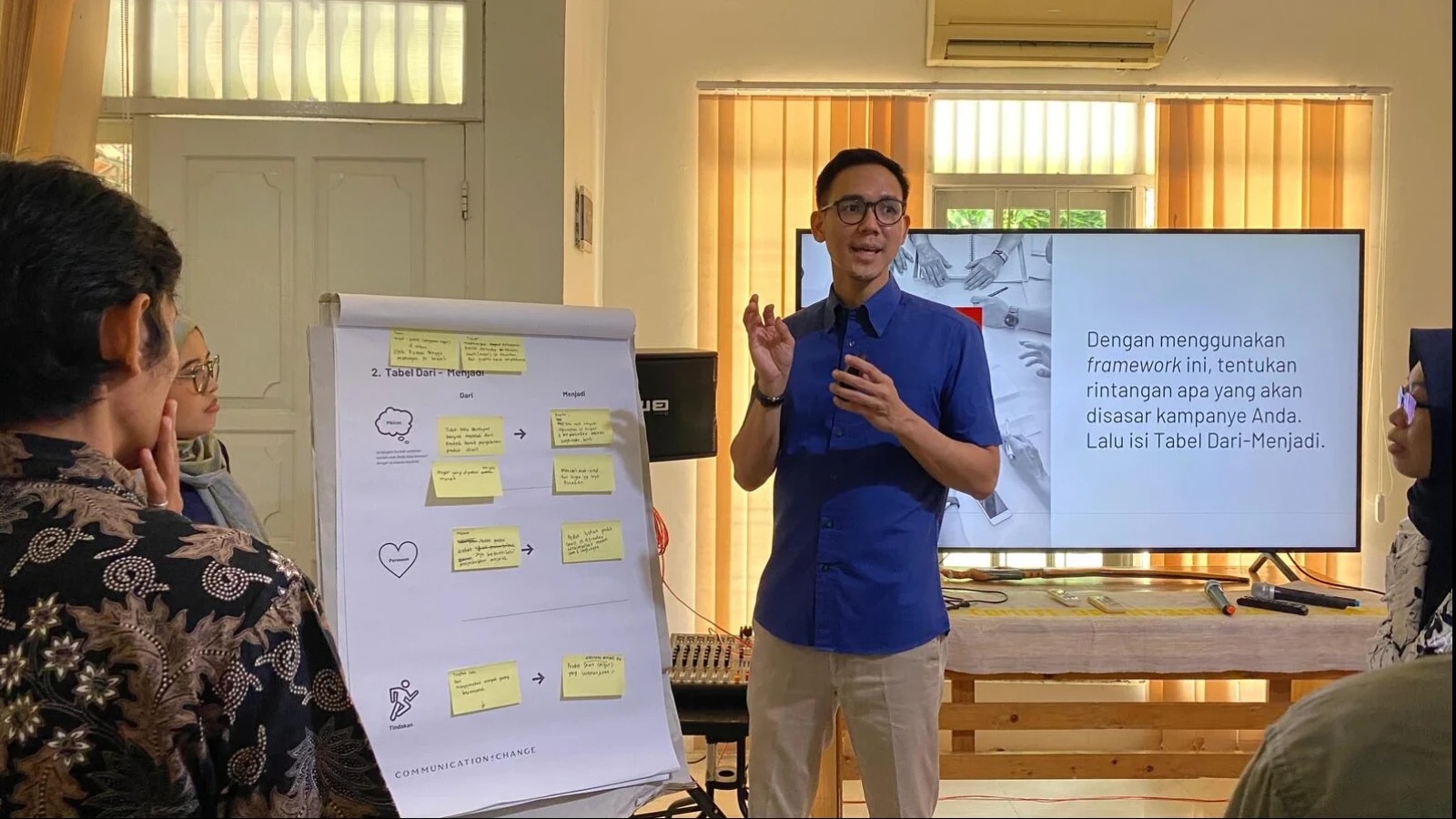
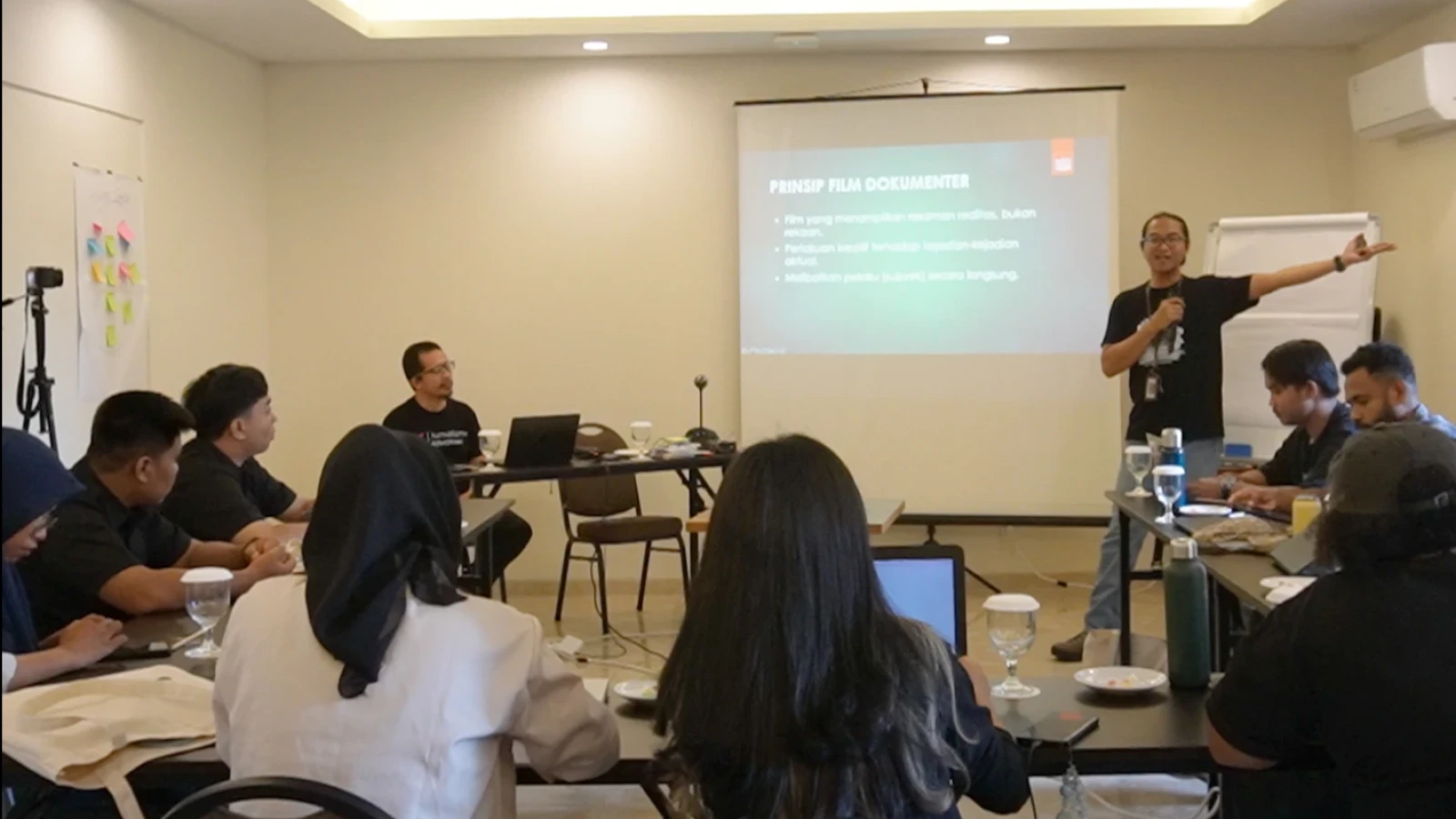
ELSAM, in cooperation with the Society of Indonesian Environmental Journalists (SIEJ), organized a training for young journalists in Bogor, West Java, from September 2 to 4. As many as 10 journalists from North Sumatra, West Kalimantan, East Kalimantan, Yogyakarta, Jakarta and West Papua participated in a series of training activities and fellowships to cover "Human Rights and Sustainability in Oil Palm Plantations".
For three days, the participants received materials and practical exercises from resource persons who are senior journalists and practitioners. Some of the materials included the principles of sustainable palm oil, business and human rights, basic journalism, introduction to investigative journalism, and the use of audio and visual in journalism. There were also materials on cybersecurity, open source intelligence (OSINT), data journalism and dissemination strategies. Participants were provided with basic training to support field reporting, resulting in narrative text, video, photo stories and radio reports.
Each journalist received a stipend of Rp 5 million. The time given for reporting is one month. Each participant is required to produce one output in the form of an in-depth report to be uploaded to their respective media.
The training and scholarships are important because Indonesia, as one of the world's largest palm oil exporters, cannot be separated from the various impacts, both positive and negative, that come with it. The development of the sustainable palm oil discourse then emerged as a response to implement a plantation system that is oriented towards economic, social and environmental balance.
The three broad goals of sustainable palm oil - improving well-being, respecting the rights of affected communities and workers, and preserving the environment - are then translated into a set of principles by global palm oil certification bodies, such as the Roundtable on Sustainable Palm Oil (RSPO), and national ones, such as Sustainable Palm Oil (ISPO). These principles include transparency, compliance with laws, environmental responsibility, respect for workers' rights, and responsibility to affected communities.
The proposals submitted by the participants raised issues in oil palm plantations in their respective regions. Some of the issues raised were the conditions of workers, women workers, the impact of plantations on indigenous peoples, plasma disputes, good practices and the struggle of farmers for RSPO certification. The diversity of issues raised enriches the context for understanding problems in oil palm plantations.
The commitment demonstrated by RSPO and ISPO certification is good news for the future of Indonesian palm oil. However, public doubts about the company's efforts to implement its commitment to sustainable principles remain high. Social conflicts and deforestation resulting from the activities of palm oil companies are clear indications that the company's commitment to sustainable palm oil principles has not been realized.
In-depth reporting on palm oil companies' efforts to implement sustainability principles and their impacts on the environment, workers and surrounding communities is important. Through in-depth reporting and dissemination through various communication channels, it is hoped that the discourse on sustainable palm oil will gain broader public support and become a reality.